Emissions Minute: The Tide Is Turning
The threat of prison time for making diesel engines more dependable is going away. Maybe civil penalties are next…
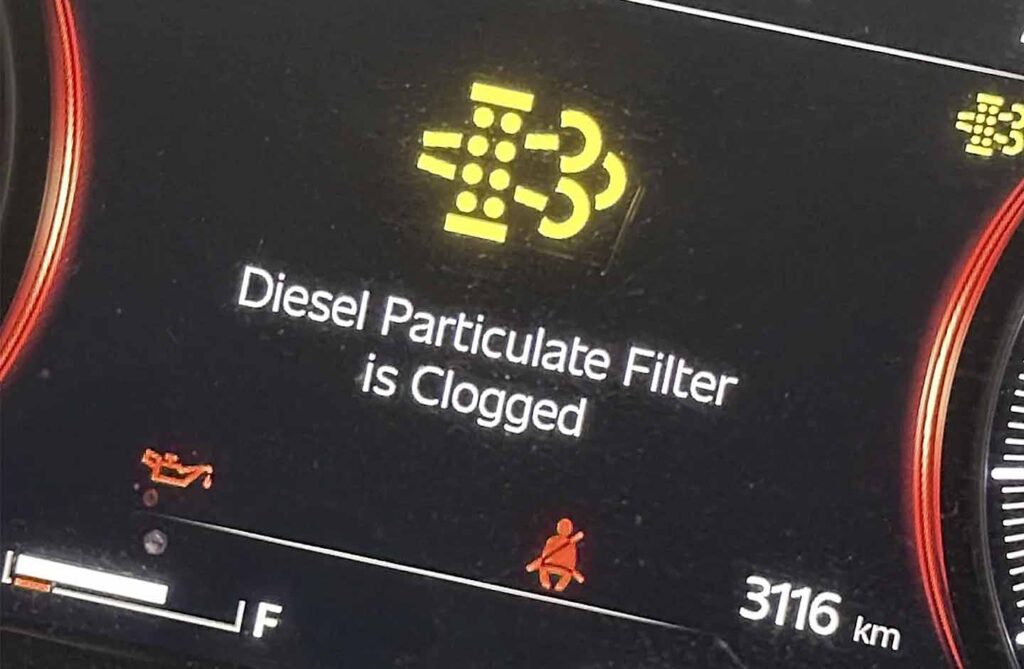
All coal rolling shenanigans aside, the driving reason behind diesel particulate filter (DPF), selective catalytic reduction (SCR) and exhaust gas recirculation (EGR) system deletes being performed on diesel trucks is to improve reliability. When a consumer spends $100,000 (more or less) on a new diesel pickup, he or she expects that vehicle to be a reliable, durable, and efficient work horse. A truck that can tow or haul significant weight, has no issues operating in extreme weather conditions, and that returns respectable fuel economy while doing it. The buyer of a modern-day diesel truck also expects to put several hundred thousand miles on the odometer before any major repairs are required—and for the price of entry, they should.
Unfortunately, since 2007 this hasn’t been the case. DPF’s fail prematurely, EGR valves stick, EGR coolers rupture, diesel exhaust fluid (DEF) freezes, and the entire exhaust aftertreatment system is riddled with repeat sensor failures. All of these issues are packaged together with fuel consumption that fails to match what far less technologically advanced diesel pickups could achieve in the 1990s and early 2000s. Of course, all of the problems listed above can (and almost always do) leave you stranded. With little support (or component improvements) from The Big Three and OEM replacement parts costs through the roof, the aftermarket improvised. The devices required to meet EPA emission standards were removed, computers were reprogrammed to believe they were still intact, and high-mile reliability was (finally) possible.
Now apply that to the vehicles we all depend on. The tractor-trailers that truck our goods across the country. The farm equipment that cultivates, plants, and harvests our food. The heavy equipment that breaks ground on a new suburban neighborhood. The buses that get our kids to school, and then safely back home. The plow trucks that make snow-covered roads traversable again. The ambulances that absolutely must make it to the hospital… Reliability isn’t a suggestion here, it’s mandatory. So, rather than face repeat failures, high repair costs, and unpredictable up-time, small business owners, fleet managers, owner-operators, and even municipalities removed troublesome emissions equipment. Some were caught; many weren’t. Those caught were charged with violating the Clean Air Act, forced to pay steep civil penalties, and even threatened with incarceration. Some even served substantial prison time.
In 2025, and under new EPA Administrator, Lee Zeldin, things began to change. First, EV mandates were eliminated. Then came the axing of the greenhouse gas emissions regulations established by the EPA’s 2009 Endangerment Finding—with diesel truck manufacturers immediately being permitted to eliminate the DEF system-induced limp mode(s) that often strand their customers. This was followed by criminal pardons being awarded (below). Next, we hope to see the elimination of civil penalties. Here is a look at the progress that’s been made over the past six months.
The Days Of DEF-Related Limp Mode May Be Over (from 8.18.25)

In late July, the Environmental Protection Agency, now operating under new Administrator Lee Zeldin, made it known to diesel truck manufacturers that they could eliminate DEF system-induced limp mode(s). Specifically, sudden and sharp power de-rating and 5-mph limp home penalties caused due to low DEF levels were ordered to be eliminated from OEM emissions and engine-related software. To be clear, power derating will continue to be part of diesel vehicle ownership (at least for now), but not the kind that can strand you out in the cold and/or force a steep tow bill. Is this just the first step in the Trump Administration’s rollback of emissions regulations, or is it the only step the new administration will be taking? As always, time will tell, but this is great news for an industry that has been lobbying for these handicaps to go away for many many years. It’s estimated that repealing the GHG regulations included in the EPA’s 2009 Endangerment Finding would undo $1 trillion in costly regulations, not to mention save more than $54 billion annually.
Imprisoned Wyoming Diesel Mechanic Pardoned By President Trump (from 11.10.25)
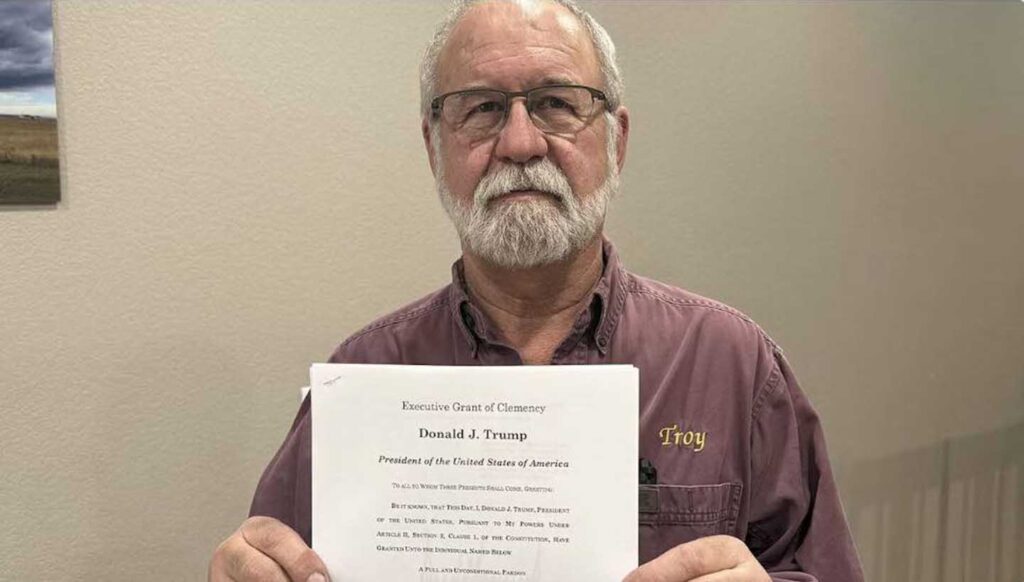
The choice was clear for Troy Lake: make his customers’ diesel-powered equipment and vehicles more reliable by removing emissions equipment or keep taking their money for repeat failures. The EPA didn’t see it that way, fining Lake and his business, Elite Diesel of Cheyenne, Wyoming $52,000 and ultimately sending him to prison. In 2025, the 65-year-old Lake spent seven months in federal prison, followed by home confinement. On November 7, 2025, he got a call from U.S. Senator, Cynthia Lummis of Wyoming, who informed him he’d been pardoned by President Trump. It’s welcomed news for a repair industry that’s unfortunately been forced to choose between expensive, failure-prone “legal” fixes and permanent (albeit “illegal”) solutions for its customers.
Felony Diesel Delete Charges Dropped Against Unique Performance Owner (from 12.1.25)

The tide is changing, and Wyoming appears to be leading the way in bringing back common sense as it pertains to emission system deletes on diesel trucks. Over the summer, the U.S. District Court of Wyoming charged Unique Performance’s Levi Krech with one count of conspiracy to violate the Clean Air Act and one count of tampering with emissions monitoring devices. On November 26, Wyoming U.S. Attorney, Darin Smith, the state’s top federal prosecutor, dropped the diesel delete charges against Krech. According to Krech’s attorney (via this article from Cowboy State Daily), Stewart Cables, this is the first criminal emissions tampering case to be dismissed. If convicted, Krech could’ve been facing up to seven years in prison. On the heels of the pardoning of Troy Lake, we hope it’s a sign of things to come.
U.S. Department Of Justice: No More Criminal Prosecutions For Deletes (from 1.26.26)
On January 21, news broke on X that the U.S. Department Of Justice would no longer be pursuing criminal charges under the EPA’s Clean Air Act based on allegations of tampering with onboard diagnostic devices in motor vehicles. It’s yet another step in the current administration’s rollback of targeting small business owners (and even individual truck owners) for removing emissions equipment on diesel pickups. Kory Willis, owner of PPEI and one of the federal government’s biggest targets in recent years, celebrated the news—but was also quick to point out that civil penalties can still be imposed on violators. In summation, it’s a positive step toward making late-model diesels reliable, clean, and efficient again—but we aren’t out of the woods just yet.
Written By Mike McGlothlin