Can a transmission cooler release contamination even after it’s been flushed? Absolutely it can. Here’s why.
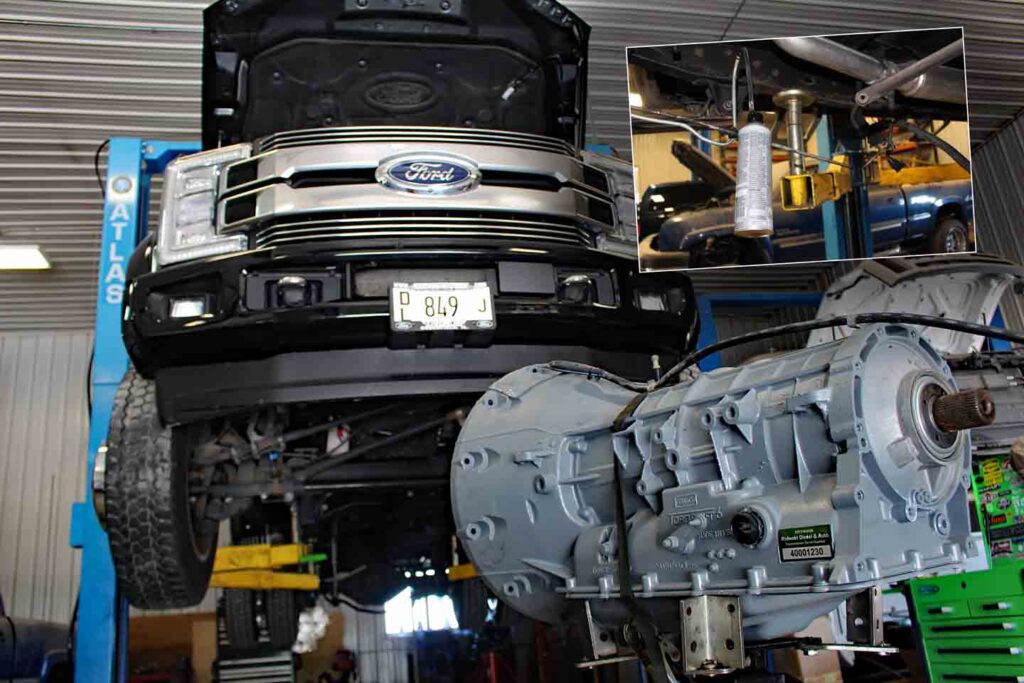
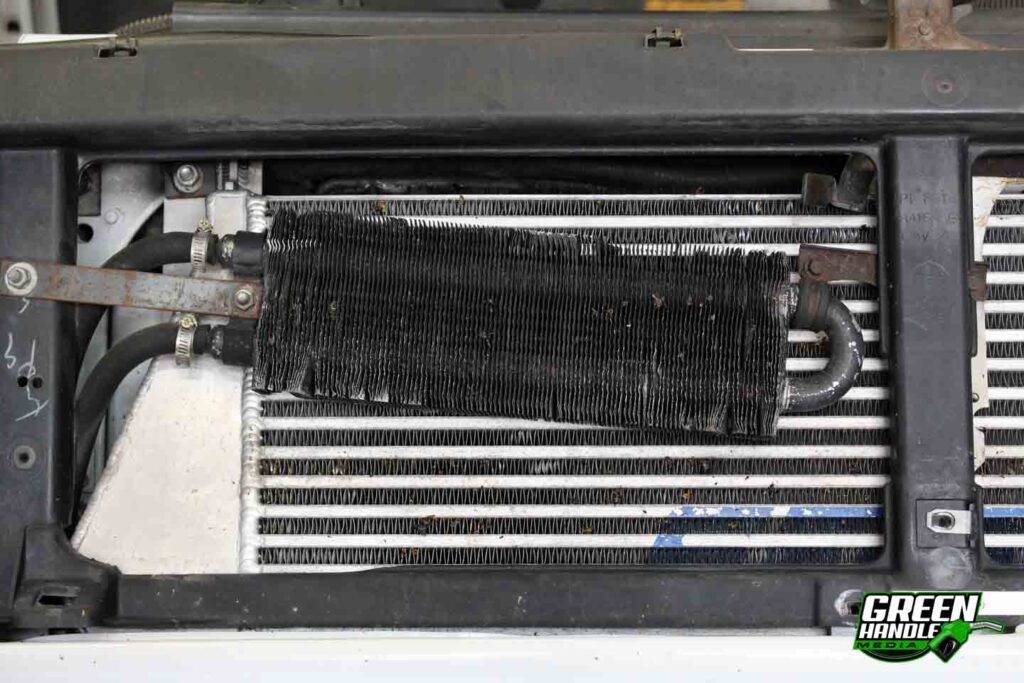
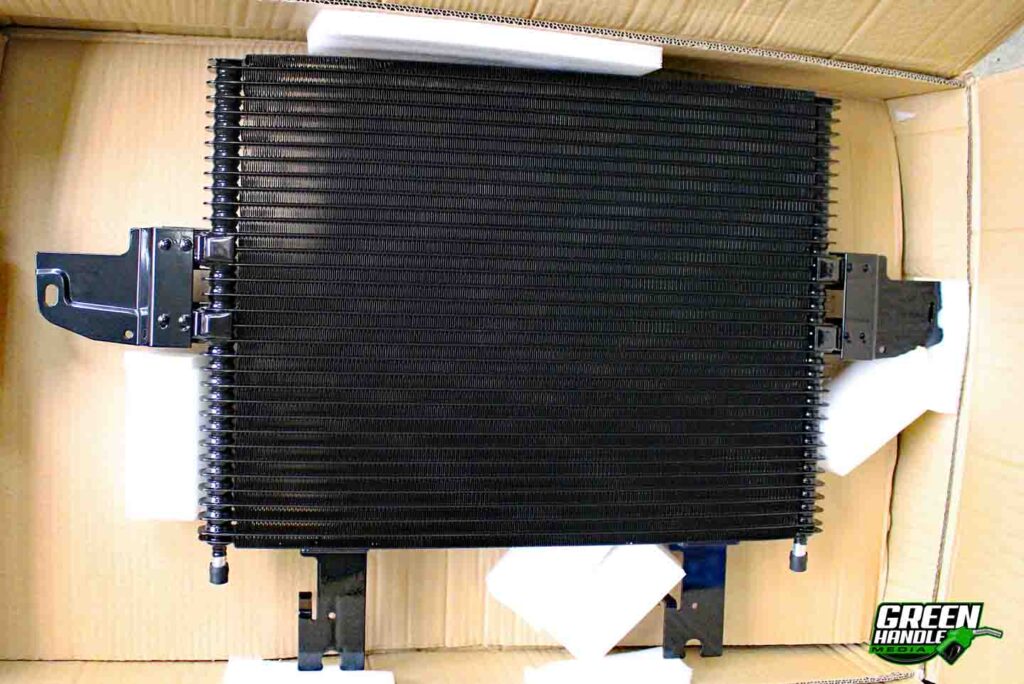
When an automatic transmission fails catastrophically, debris from clutch material, metal, and other internal components can be distributed throughout the transmission cooler circuit. And because many pickup truck transmission coolers contain narrow passages, various bends, and internal turbulators designed to improve heat transfer, contamination can become lodged deep inside the cooler—meaning it may be difficult to completely remove. This creates an important concern when installing a rebuilt transmission. Even when the transmission itself has been thoroughly cleaned and a rebuilt or a replacement torque converter is installed, contamination left behind in the cooler (or cooler lines) can potentially be circulated throughout the new transmission. We turned to the experts at Goerend Transmission for the full rundown of this common re-contamination issue, the best way to avoid it, and when it’s time to start over with a fresh cooler.
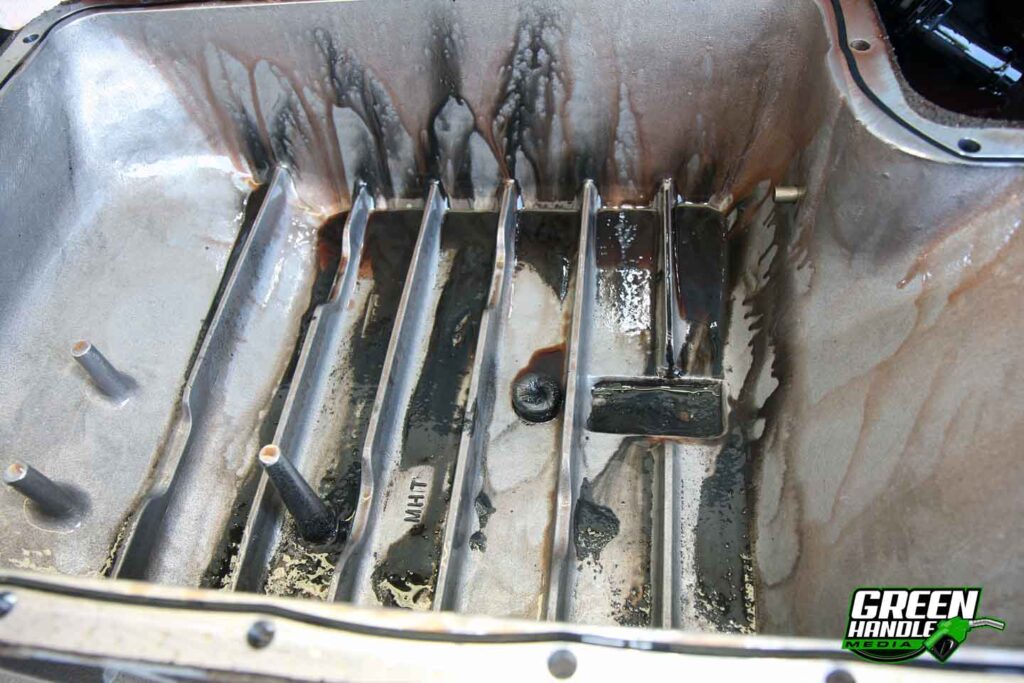
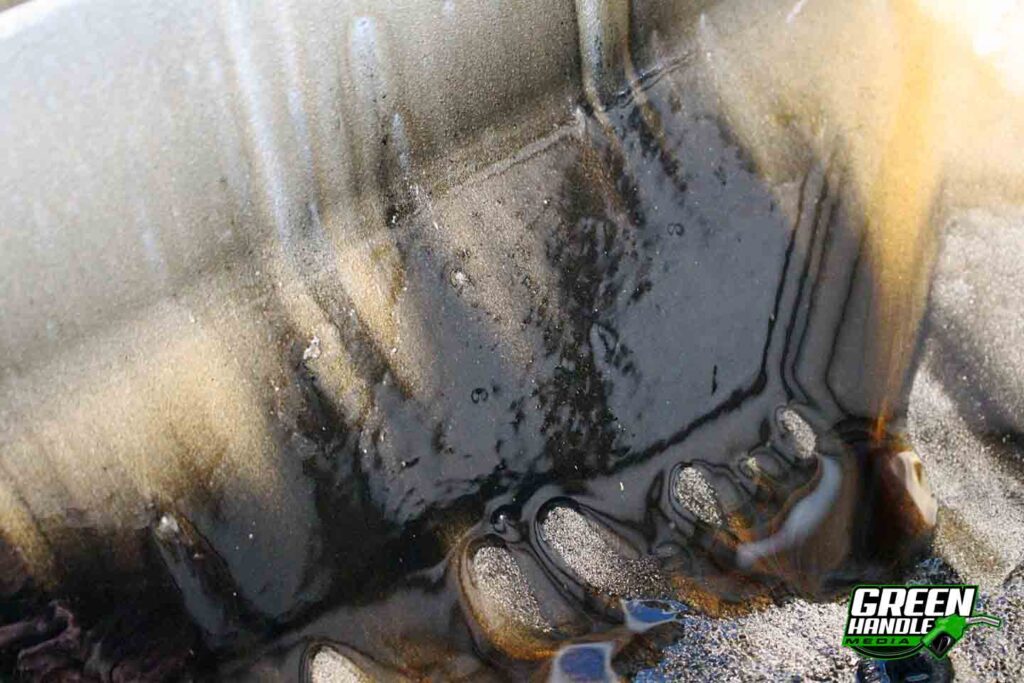
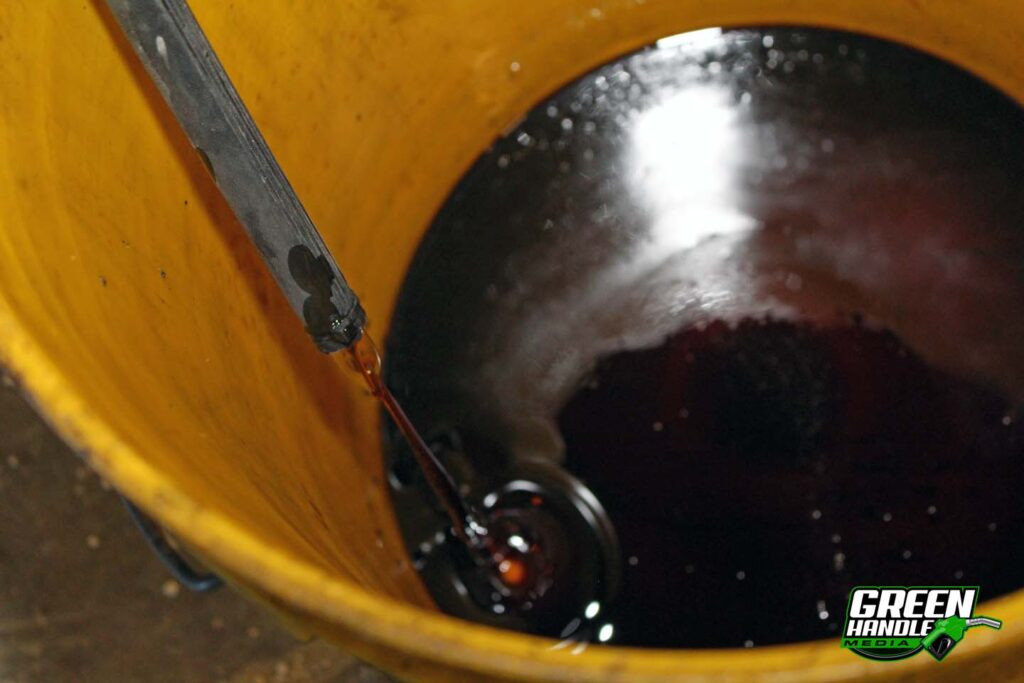
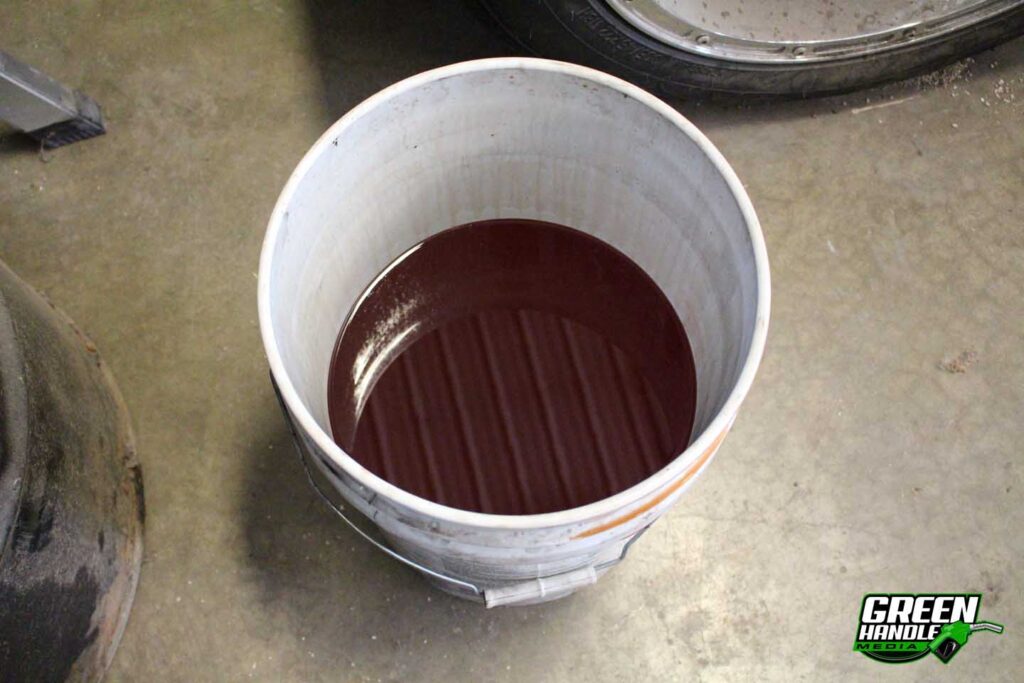
A proper cooler flush significantly reduces the risk of re-contaminating a rebuilt transmission, but it doesn’t rule it out completely. Ideally, the cooler should be flushed with heated fluid, and by using equipment capable of pulsing and reversing the direction of flow. The process should continue until no additional contamination is observed. Unfortunately, even a thorough “hot flush” doesn’t necessarily guarantee that every particle has been removed from the system.Some transmission cooler designs are particularly difficult to clean because debris can become lodged within small passages and around internal heat-transfer surfaces. Technical information available in the transmission industry recognizes this limitation. Sonnax, for one, has noted that not all coolers can be successfully cleaned. Worse yet, the company says that although a cooler may appear clean during flushing, it could later become restricted again as contamination inside the cooler rearranges when transmission fluid begins circulating through it under actual operating conditions.This can help explain a situation where a rebuilt transmission operates normally for several hundred miles before debris is discovered in the pan. If the transmission is then disassembled and inspected with no evidence that the debris originated from the rebuilt transmission itself (along with the torque converter also being inspected without finding a source of contamination), the cooler circuit becomes the logical suspected source.For example, consider a cooler that was hot flushed at approximately 180°F using equipment that pulses and reverses the flow until all debris is removed. The truck is returned to service, and approximately 700 miles later contamination is discovered in the transmission pan. It is entirely possible that that material remained trapped within the cooler despite the thorough flushing procedure and was released during subsequent operation.Actual driving conditions are considerably different from what a cooler experiences on a flushing machine. Under load, fluid leaving the torque converter can become substantially hotter than the temperature used during a typical hot-flush procedure. The cooler also experiences constantly changing fluid flow, pressure, vehicle vibration, and repeated heating and cooling cycles. On top of that, fresh ATF has strong cleaning characteristics once it becomes hot. Together, these conditions can loosen contamination that remained lodged inside the cooler during the original flush.
Bypass Valves
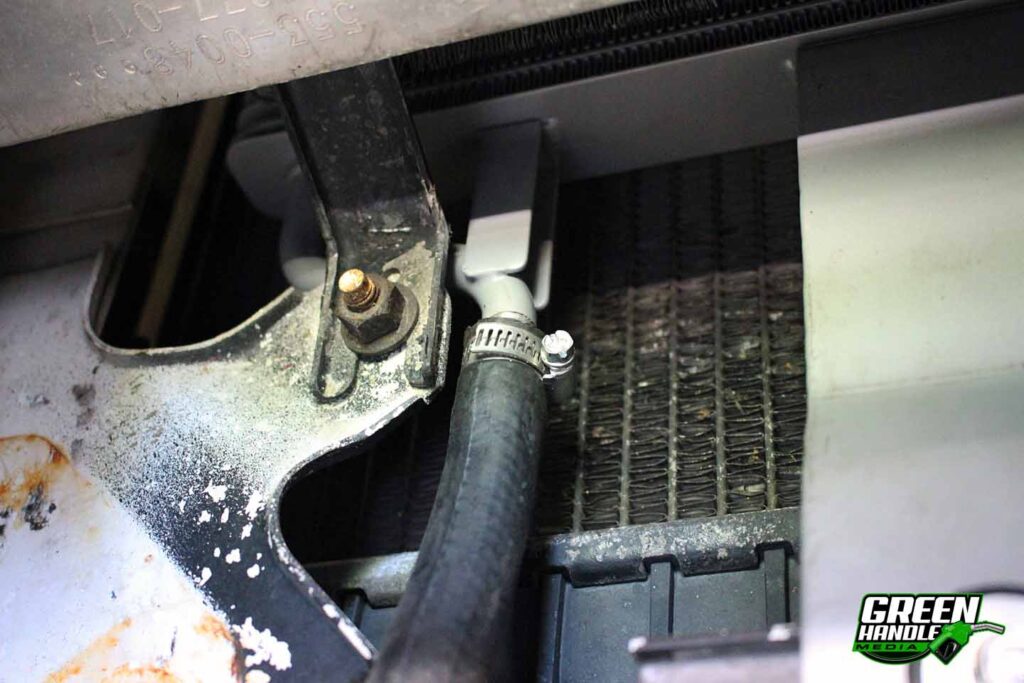
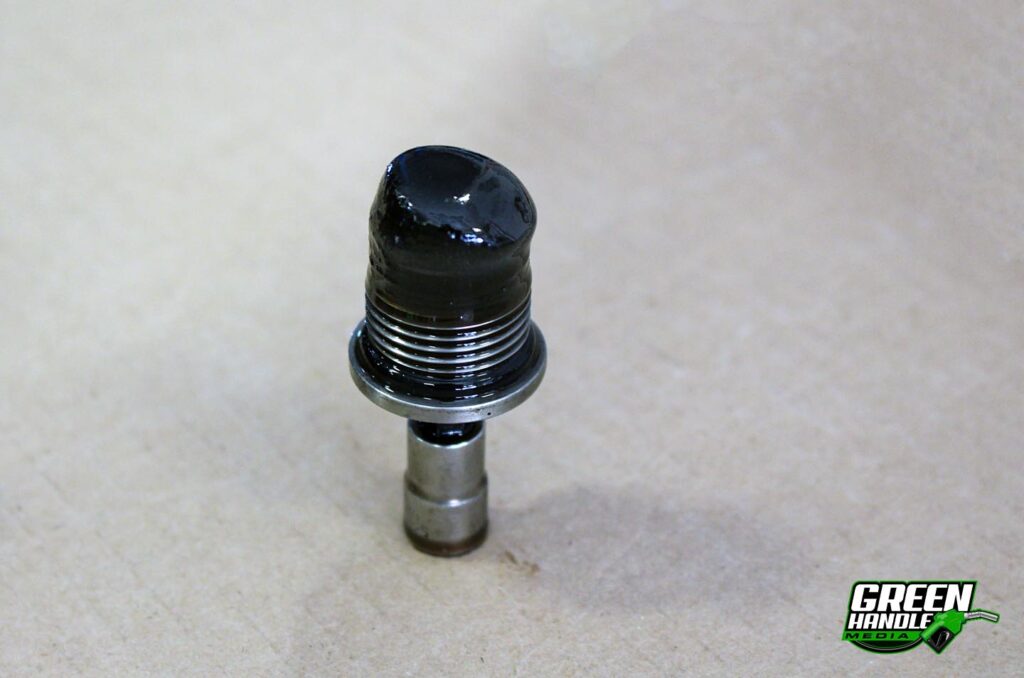
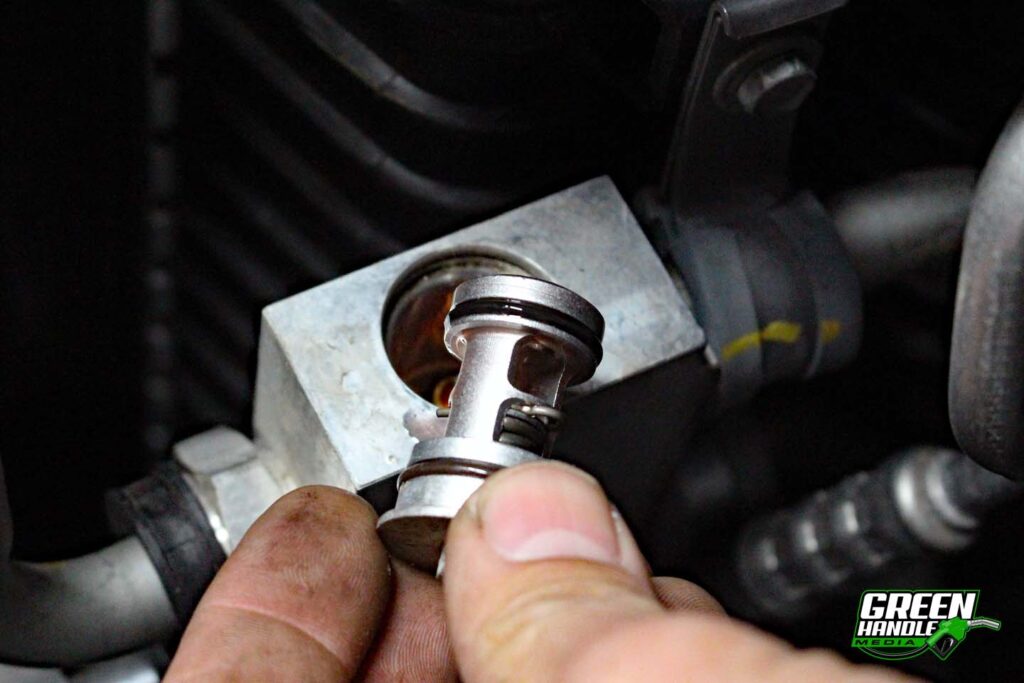
Many modern transmission coolers have built-in thermal bypass valves. If the flushing fluid is cold, the valve stays closed, which allows the fluid to bypass the cooling core entirely, leaving the old debris trapped inside. More intricate cooler designs such as stacked-plate and concentric-tube coolers use tight, twisting internal passages. Once metal debris gets wedged into these corners, fluid pressure alone rarely dislodges it.
Thermal Washout
As you drove those first 700 miles, the hot transmission fluid expanded the cooler passages and softened hardened sludge, slowly releasing the trapped debris back into your new transmission. This distinction is important when diagnosing contamination issues following a rebuild. A cooler that produces clean fluid during a hot flush should not automatically be considered completely free of contamination. The flushing process greatly reduces the risk of re-contamination, but some cooler designs simply cannot be verified as perfectly clean, internally.When unexplained debris appears after a rebuild and the transmission and torque converter can be ruled out as the source, the entire cooler circuit—including the cooler, lines, fittings, bypass valves, and any auxiliary coolers, should be investigated. Depending on the severity and type of the original transmission failure, replacing a questionable cooler may provide greater protection than relying on flushing alone.Remember, a successful hot flush only indicates that the contamination accessible to the flushing process was removed. It does not prove that no material remains anywhere inside the cooler. A cooler can pass a flushing procedure and still release previously trapped contamination hundreds of miles later under the heightened temperatures, pressures, vibration, and various thermal cycles experienced during real-world operation.